Agriculture Meets Innovation with IoT
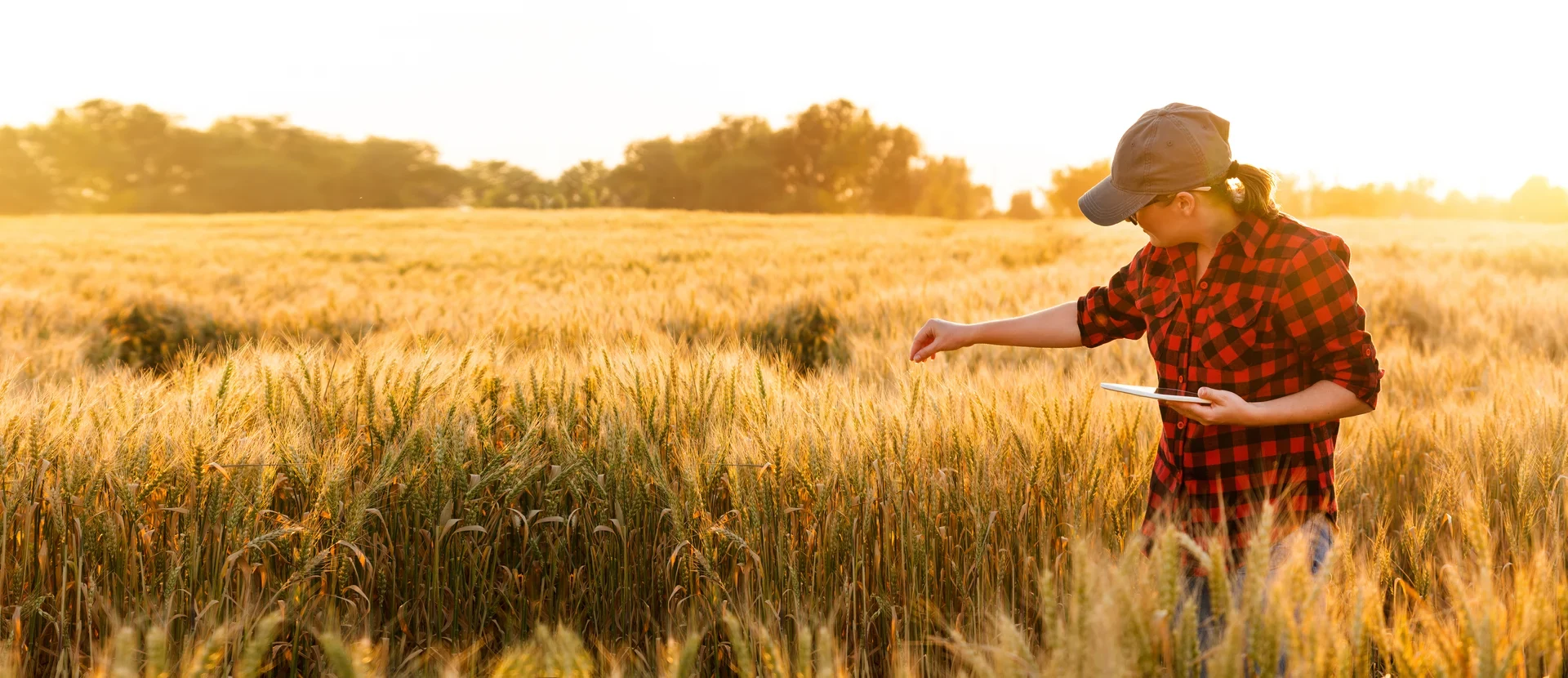
This data-driven approach allows for precise monitoring and control of agricultural processes, leading to more efficient water usage, optimized fertilizer application, and timely pest control measures. By leveraging KORE’s smart agriculture solutions farmers have the ability to make informed decisions that boost crop yields and reduce waste, ultimately improving profitability and sustainability in agriculture.
The kore Benefit


Global Carrier Coverage
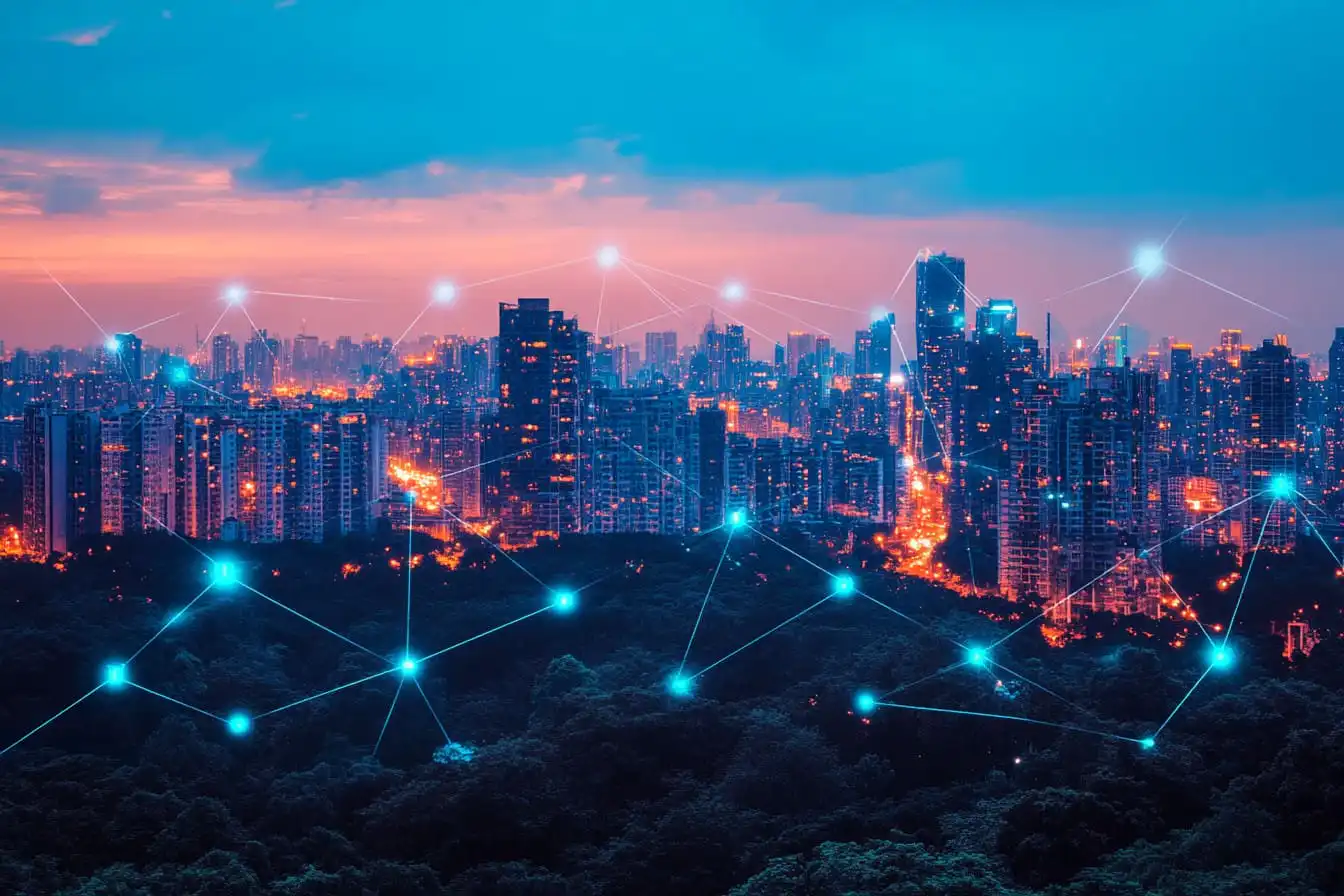
Seamlessly connect your IoT devices across 200+ countries worldwide with access to hundreds of carriers.

Connectivity Offerings
Choose from a wide range of cellular options including low-power LTE technologies, for unmatched flexibility.


Platform & Analytics
Harness the power of smart agriculture through a single-pane view of all your SIM fleet throughout their lifecycle from provisioning, activation, suspension, monitoring, billing, and more.
From Concept to Reality: How IoT Transforms Your Industry
Smart Irrigation

Precision Irrigation with IoT-Powered Sensors
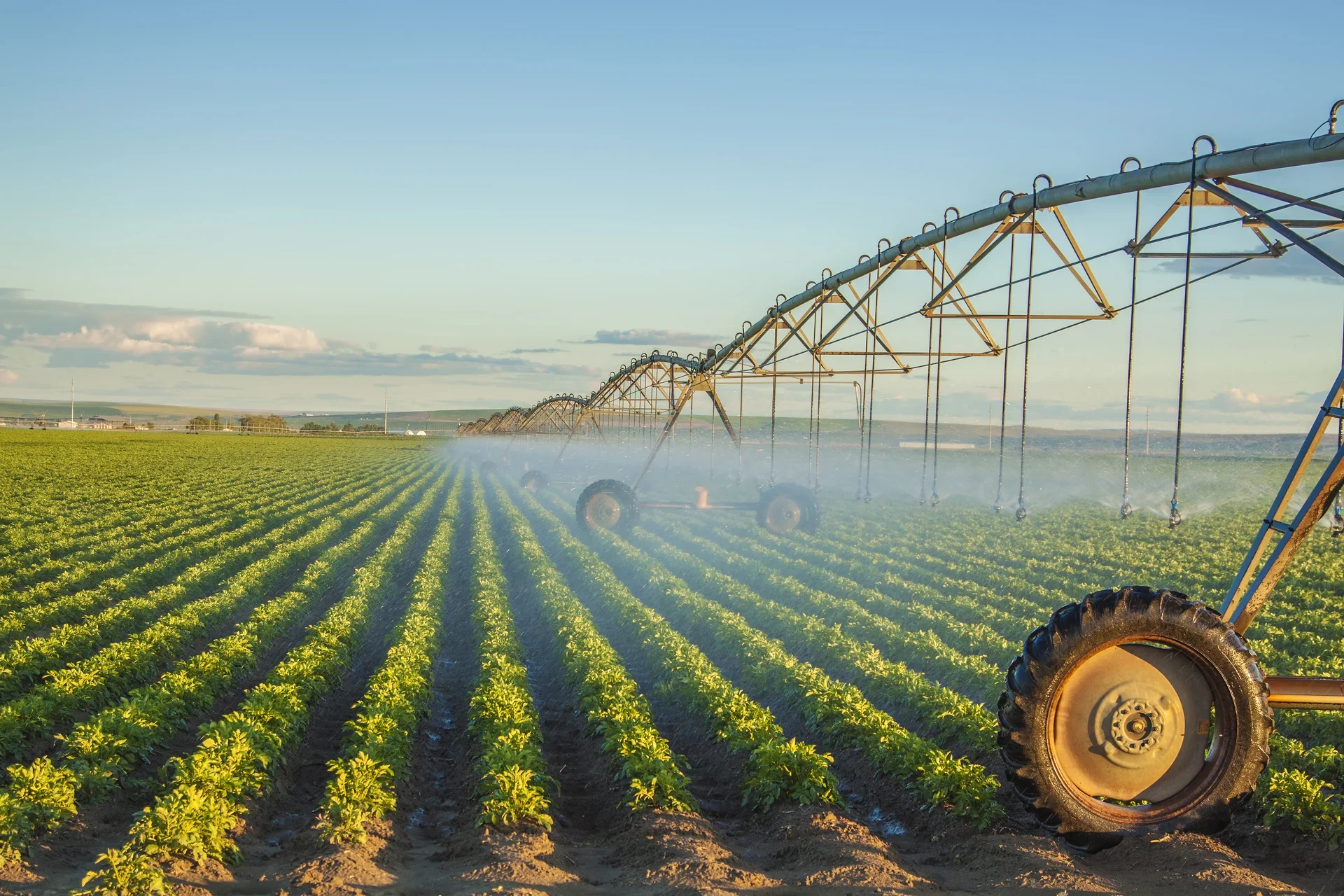
Through the combination of IoT-powered soil sensors and cloud-based data analytics, farming operations can monitor the moisture in the soil, which allows farmers to determine when – and only when – they should be irrigating. Connected systems automatically start and stop the watering process, which not only conserves valuable resources but prevents overwatering, which can be detrimental to yield.
Drones

Collect Real-Time Insights with IoT- Enabled Drones
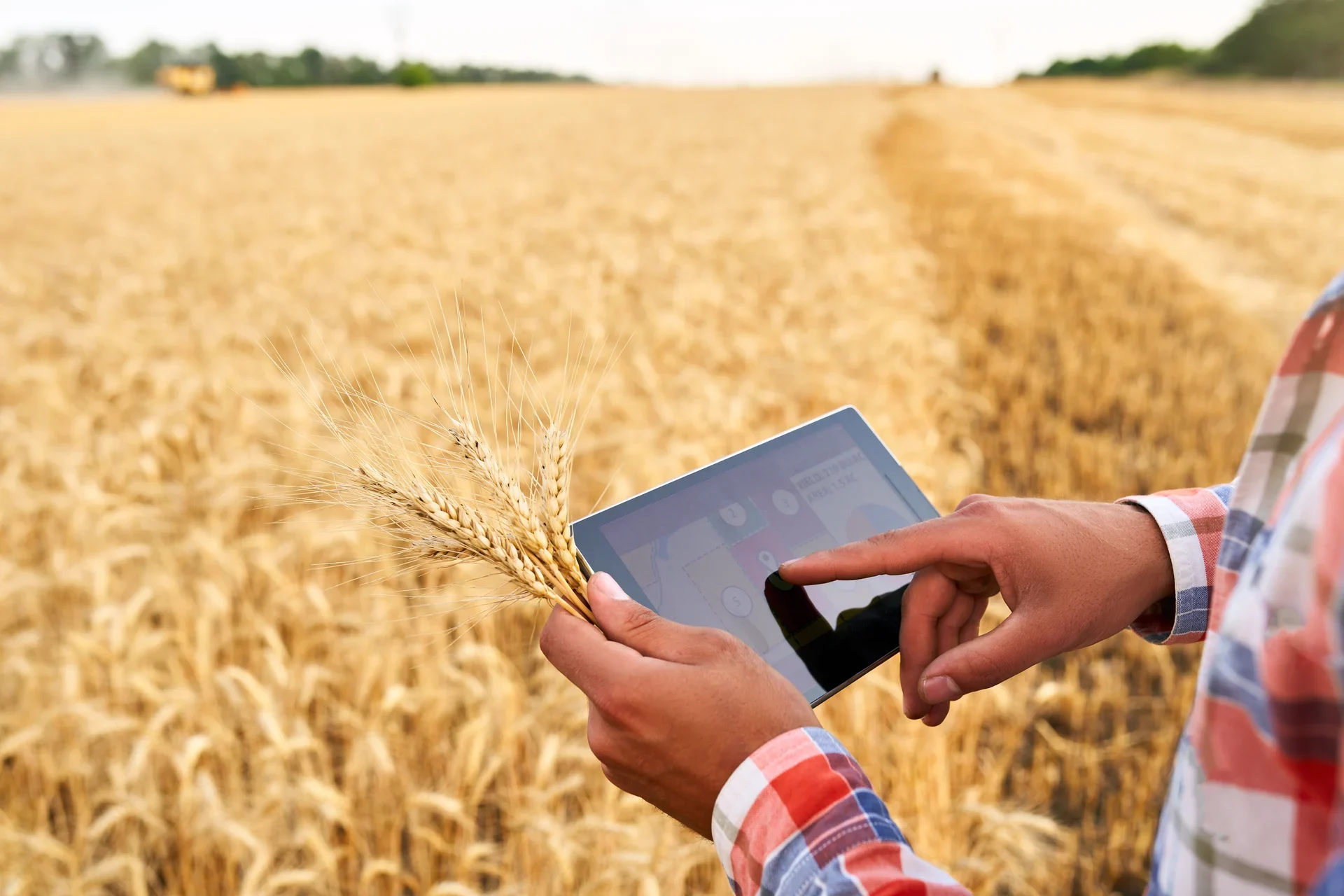
Surveying crops by foot to gather data about yield, fertilization needs, water levels, and soil conditions is time consuming and sometimes inaccurate. Leverage autonomous drones to collect real-time data, capturing crop images quickly and accurately, allows farmers to make accurate remediation decisions that prevent small problems from becoming costly ones.
Smart Greenhouses

Optimize Performance with Smart Sensor Technology
Many in the agriculture industry are utilizing smart greenhouses to remove weather as an obstacle to higher yields and to promote responsible energy consumption. These greenhouses can be equipped with solar-powered IoT sensors, which can help control the environment and monitor water consumption. Sensors can also contribute to energy conservation by monitoring and controlling temperature, humidity, and light levels. Whether activating a mister or controlling the greenhouse’s thermostat, IoT is helping to shrink this farming method’s carbon footprint.
Data Collection

Gather and Analyze IoT Captured Insights
While IoT applications have real-time benefits that address current needs, perhaps its greatest advantage is the data IoT-enabled sensors are collecting. By gathering and analyzing IoT-captured insight, farmers have the blueprint for spotting inefficiencies they might not have otherwise seen. Armed with that data, they can fine-tune their operations even further to ensure planting and growing decisions to be even more sustainable each year.

Frequently Asked Questions
What is smart agriculture?
Smart agriculture uses IoT technology, sensors, and data analytics to monitor and optimize farming operations. It enables farmers to make data-driven decisions that improve productivity, efficiency, and sustainability.
How does IoT improve farming operations?
IoT improves farming by collecting real-time data on soil conditions, weather, crop health, and equipment performance. This allows farmers to optimize irrigation, fertilizer use, and pest control while reducing waste.
What is precision agriculture?
Precision agriculture is a farming approach that uses data and technology to apply resources, such as water, fertilizer, and pesticides, more accurately and efficiently, improving crop yields and reducing environmental impact.
What are common IoT use cases in agriculture?
Common use cases include:
-
Smart irrigation systems
-
Crop monitoring with sensors and drones
-
Smart greenhouses
-
Livestock monitoring
-
Equipment and asset tracking
How does smart irrigation work?
Smart irrigation uses IoT sensors to measure soil moisture and environmental conditions. Systems can automatically adjust watering schedules to ensure crops receive the right amount of water at the right time.
How are drones used in agriculture?
Drones equipped with sensors and cameras collect real-time data on crop health, soil conditions, and field variability. This helps farmers identify issues early and take targeted action.
What are smart greenhouses?
Smart greenhouses use IoT sensors and automation to control environmental factors such as temperature, humidity, and light. This improves crop yields and reduces energy and water consumption.
How does IoT help conserve resources in agriculture?
IoT enables precise application of water, fertilizers, and pesticides, reducing waste and minimizing environmental impact while maintaining or improving crop yields.
What kind of data can IoT devices collect in agriculture?
IoT devices can collect data such as:
-
Soil moisture and nutrient levels
-
Weather conditions
-
Crop health indicators
-
Equipment performance
-
Water usage
How does KORE support smart agriculture solutions?
KORE provides global IoT connectivity, flexible network options, and connectivity management platforms that enable farmers and agribusinesses to deploy and manage smart agriculture solutions at scale.
Can IoT agriculture solutions work in rural or remote areas?
Yes, IoT solutions can use a mix of cellular and low-power wide-area networks (LPWAN) to provide reliable connectivity in rural and remote farming environments.
How does IoT improve crop yields?
By providing real-time insights and enabling precise resource management, IoT helps farmers optimize growing conditions, reduce stress on crops, and increase overall productivity.
How does IoT support sustainable agriculture?
IoT supports sustainability by reducing water usage, minimizing chemical inputs, improving energy efficiency, and enabling more environmentally responsible farming practices.
Can smart agriculture solutions scale for large operations?
Yes, IoT solutions can scale from small farms to large agricultural enterprises, supporting a growing number of devices, sensors, and data streams.
What are the benefits of data-driven agriculture?
Data-driven agriculture helps farmers:
-
Make more informed decisions
-
Identify inefficiencies
-
Improve yields and profitability
-
Reduce operational costs
-
Enhance sustainability