The Future of Connected Health is Now
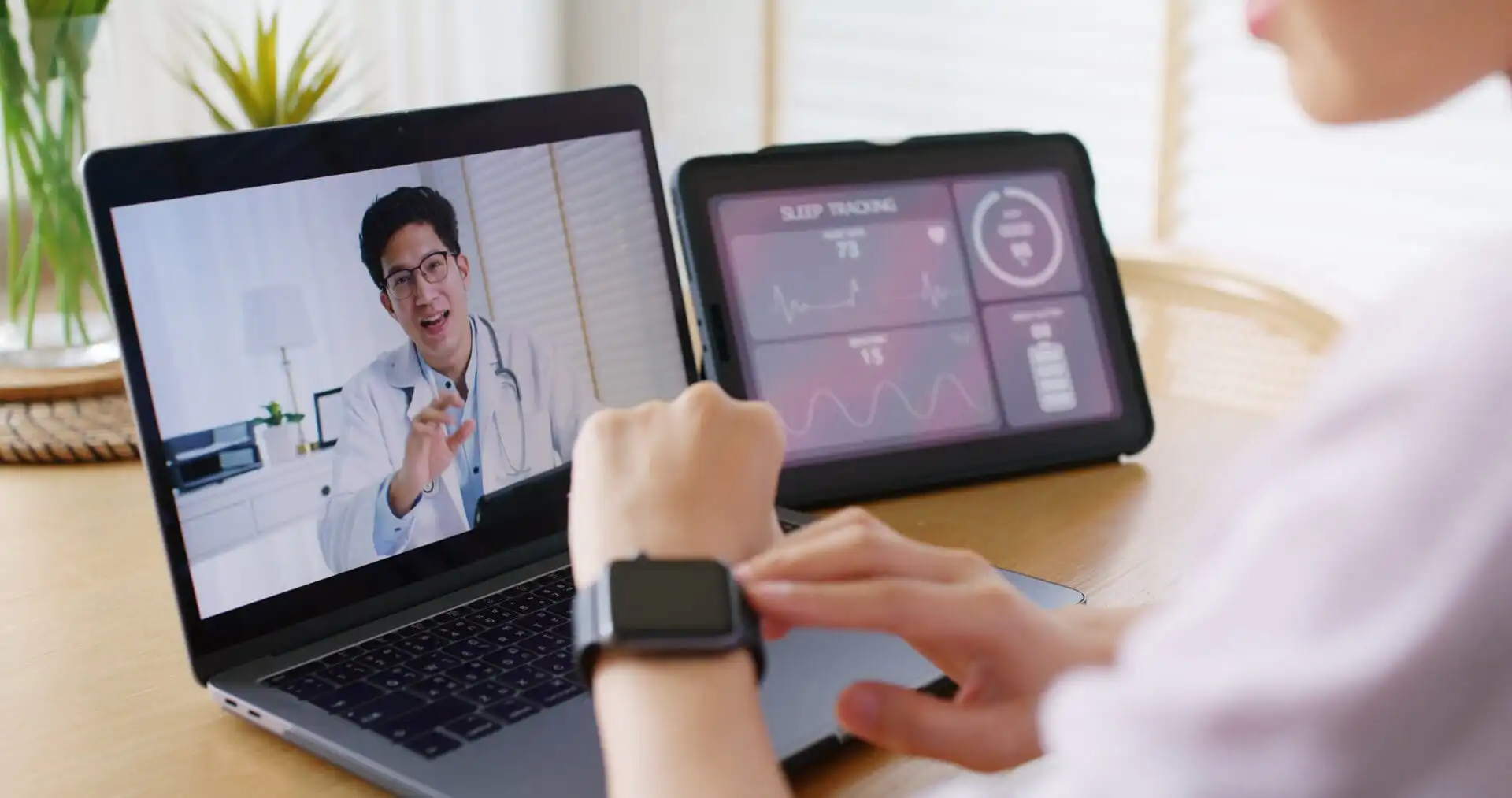
With applications ranging from Remote Patient Monitoring (RPM) and advanced telehealth platforms to IoT-enabled medical devices, KORE enables organizations to overcome healthcare’s biggest challenges: managing vast amounts of data and ensuring secure device management. Our solutions are designed to simplify these complexities, enabling efficient, cost-effective healthcare innovations – allowing you to focus on what matters most, saving lives.
The kore Benefit


Regulatory Compliance
KORE is dedicated to ensuring all IoT solutions meet the necessary regulatory standards of the healthcare industry, including HIPAA, MDR, and ISO 13485, while protecting patient data and enabling seamless, compliant operations worldwide.


Global Connectivity and Security
KORE provides reliable, secure, and scalable connected health solutions to ensure uninterrupted and secure data transmission for mission-critical healthcare applications. Our flexible IoT networks, including Cellular and LPWAN, support high-speed, global deployments.


Predictive + Personalized healthcare
Leverage real-time and historical data to anticipate medical issues, enable hyper-personalized treatment plans reduce hospitalizations and enhance patient outcomes.
Offerings
Global Connectivity

Global Connectivity
KORE delivers seamless IoT connectivity tailored to your unique healthcare needs. From remote patient monitoring (RPM) to telemedicine and clinical trial enablement, KORE’s IoT-powered connectivity ensures real-time data transfer, continuous monitoring, and secure global deployments. Our solutions utilize advanced networks like 4G LTE and LPWAN, ensuring reliable, high-speed global connectivity for life-saving healthcare applications.
Global Regulatory Compliance

Global Regulatory Compliance
As connected health technology continues to transform healthcare at record speeds, ensuring devices meet regulatory compliance is no longer optional, it’s essential. KORE brings unmatched expertise in telecom compliance and certification, ensuring connected health devices meet global telecom standards, enabling companies to scale their operations, comply with regional regulations, and protect patient data while delivering transformative healthcare solutions worldwide.
Managed Services

Managed Services
Healthcare professionals are quickly adopting wireless connectivity and IoT technology to simplify the patient experience, improve quality of care, and create a positive impact on patient outcomes. Connected health devices and wearable technology are transforming patient data collection, making it more efficient and cost effective. At KORE, our end-to-end managed services- including device procurement, configuration, kitting, shipping, disinfecting, and warehousing – empower healthcare professionals to focus on delivering better patient care.

Frequently Asked Questions
What is connected health?
Connected health refers to the use of IoT, wireless connectivity, and digital technologies to deliver healthcare services remotely. It enables continuous monitoring, data sharing, and communication between patients, providers, and devices.
How does IoT enable connected healthcare solutions?
IoT enables connected healthcare by linking medical devices, wearables, and platforms to securely collect and transmit patient data in real time. This allows providers to monitor patients remotely, detect issues earlier, and make data-driven decisions.
What are common use cases for connected health?
Common use cases include:
-
Remote patient monitoring (RPM)
-
Telehealth and virtual care
-
Connected medical devices
-
Clinical trial monitoring
-
Chronic disease management
What is remote patient monitoring (RPM)?
Remote patient monitoring (RPM) uses connected devices to track patient health data, such as vital signs, from outside traditional clinical settings. This enables continuous care while reducing hospital visits and improving patient outcomes.
How does connected health improve patient outcomes?
Connected health improves outcomes by enabling early intervention, continuous monitoring, personalized treatment plans, and better patient engagement – all of which can reduce complications and hospitalizations.
How does KORE support healthcare organizations?
KORE provides secure, scalable IoT connectivity, regulatory expertise, and managed services that help healthcare organizations deploy, manage, and scale connected health solutions globally.
What regulations apply to connected health solutions?
Connected health solutions must comply with regulations such as HIPAA (U.S.), MDR (Europe), and ISO 13485 for medical devices. These standards ensure patient data protection, device safety, and quality management.
How does KORE ensure regulatory compliance?
KORE supports compliance by aligning connectivity solutions with global healthcare regulations, providing expertise in telecom certifications, and ensuring secure data handling across regions.
How is patient data secured in connected health solutions?
Patient data is secured through encryption, private network infrastructure, secure device management, and compliance with healthcare regulations to ensure confidentiality, integrity, and availability.
What types of connectivity are used in connected healthcare?
Connected healthcare solutions use a mix of technologies such as:
-
Cellular (4G LTE, 5G)
-
LPWAN (for low-power devices)
These options support different device requirements, from high-bandwidth telehealth to low-power monitoring devices.
Can connected health solutions scale globally?
Yes, with the right connectivity and compliance strategy, connected health solutions can be deployed globally while meeting regional regulatory requirements and maintaining secure data transmission.
What are managed services in connected health?
Managed services include device procurement, configuration, kitting, logistics, and lifecycle management. These services reduce operational burden and help healthcare organizations focus on patient care.
How does connected health reduce healthcare costs?
Connected health reduces costs by minimizing hospital visits, enabling preventive care, improving operational efficiency, and reducing the need for manual data collection and in-person monitoring.
Who benefits from connected health solutions?
Connected health benefits:
-
Healthcare providers
-
MedTech OEMs
-
Payers
-
Clinical research organizations
-
Patients
What challenges does connected health solve?
Connected health helps address challenges such as:
-
Managing large volumes of patient data
-
Ensuring secure device connectivity
-
Scaling healthcare delivery
-
Improving patient engagement and outcomes