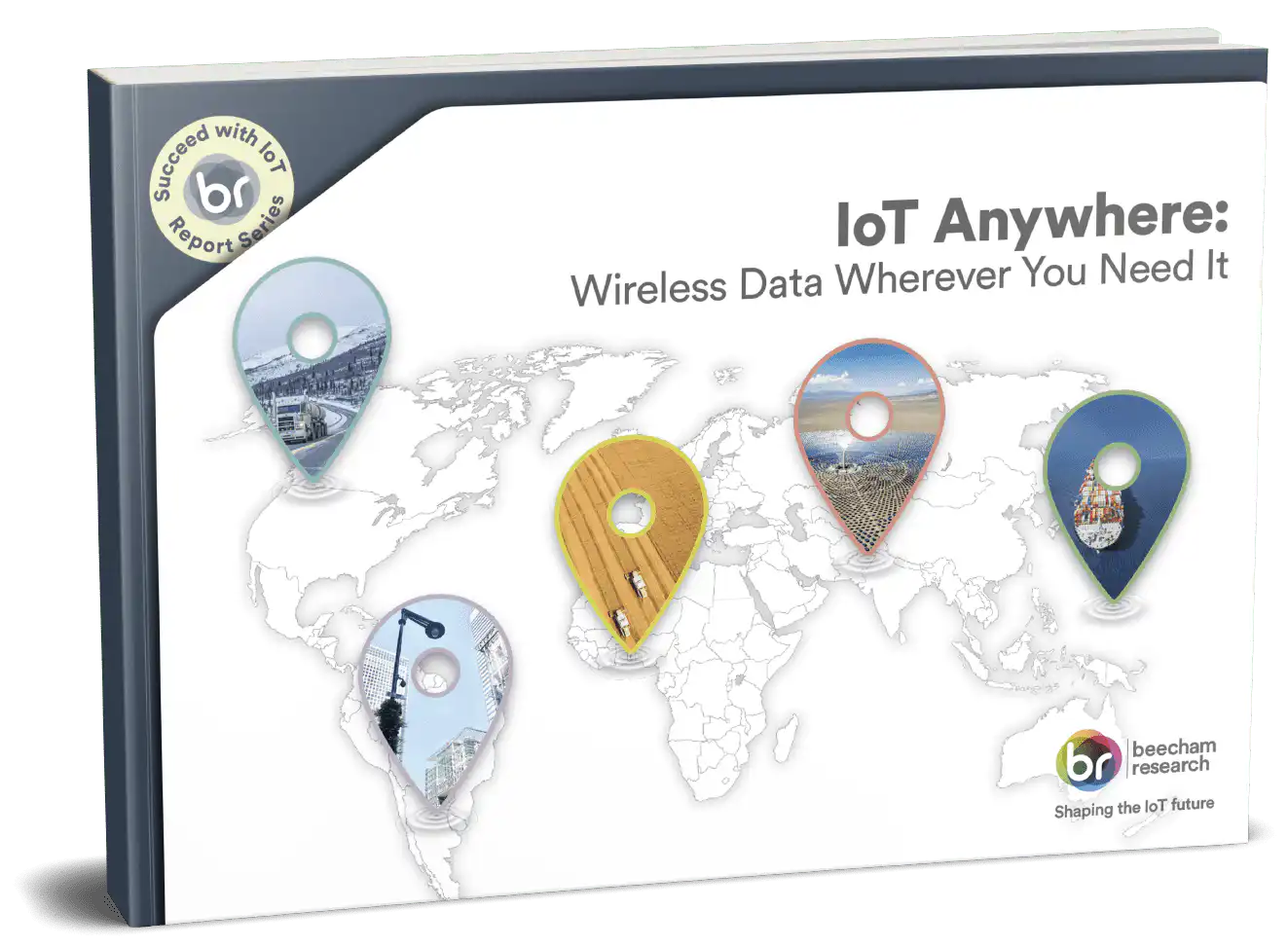
A World of Seamless IoT Connectivity from KORE: your Unified Provider
The kore Benefit


Reliability you Can Count on
High-reliability IoT connections with automatic network failover help maximize uptime for mission-critical use cases across healthcare, transportation, and public infrastructure.


Global-local Coverage
Go beyond roaming: combine local connectivity with globally roaming multi-IMSI eSIM to create the right international connectivity solutions per region.


Data Security and Compliance
Protect data with secure network infrastructure and controls aligned to government and industry standards (e.g., GDPR, HIPAA).
Offerings
Cellular Connectivity

Unlock Local and Global Connectivity to Supercharge your IoT Performance
Unlock local and global coverage with carrier partnerships built for global IoT connectivity in smart cities, healthcare, manufacturing, transportation, and more.
Low Power Wide Area Networks (LPWAN)
Scale Massive IoT Deployments with Ease
Scale IoT connections for massive IoT via NB-IoT, LTE-M, and LoRaWAN – ideal for fleet, agriculture, smart cities, and retail when long range and low power matter.
Global Satellite Coverage
Ensure Always-On Connectivity, Anywhere
Extend IoT connectivity where terrestrial signals end; add satellite as an always-on layer for remote locations and resilience in critical operations.
Unified Connectivity Management
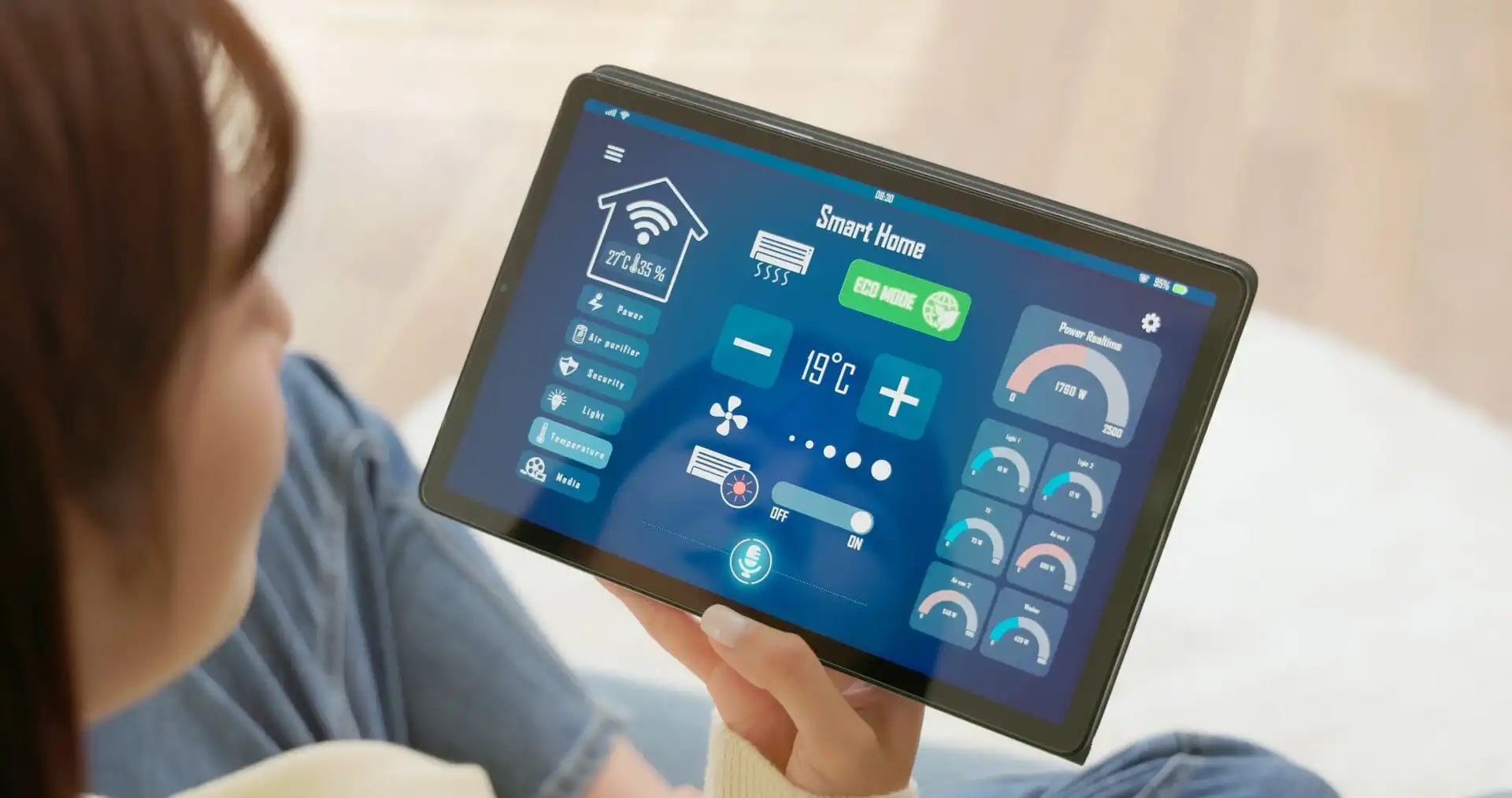
Streamline IoT Management with KORE Connectivity Management
Centralize provisioning, activation, real-time monitoring, analytics, and multi-carrier controls in one platform for streamlined IoT connectivity management.
Local + Global, Managed your Way
Choose Managed Cellular Connectivity with White-glove Services or Self-serve
Choose managed cellular connectivity through our console and APIs to match how your team operates. For device makers and companies specializing in wireless connectivity IP for IoT, KORE’s platform complements your device-side IP with carrier-grade policy, security, and lifecycle control.

Frequently Asked Questions
What is global IoT connectivity?
Global IoT connectivity refers to the ability to connect devices across multiple countries and regions using cellular, LPWAN, and satellite networks. It enables businesses to deploy and manage IoT solutions internationally while maintaining consistent performance, coverage, and control.
How does global IoT connectivity work?
Global IoT connectivity works by leveraging partnerships with multiple network operators and technologies. Solutions like multi-IMSI eSIM automatically connect devices to the best available network in each region, ensuring reliable connectivity without manual switching.
What types of IoT connectivity technologies are available?
IoT connectivity includes a range of technologies such as:
- Cellular (3G, 4G LTE, 5G)
- Low-power wide-area networks (LTE-M, NB-IoT, LoRaWAN)
- Satellite connectivity
Each technology is suited for different use cases based on power consumption, bandwidth, coverage, and device requirements.
When should I use LPWAN vs cellular IoT connectivity?
LPWAN technologies like LTE-M, NB-IoT, and LoRaWAN are ideal for low-power, low-data applications such as smart meters or asset tracking. Cellular connectivity (4G/5G) is better suited for high-bandwidth or real-time applications like video, telematics, or connected healthcare devices.
What is multi-IMSI eSIM and why is it important?
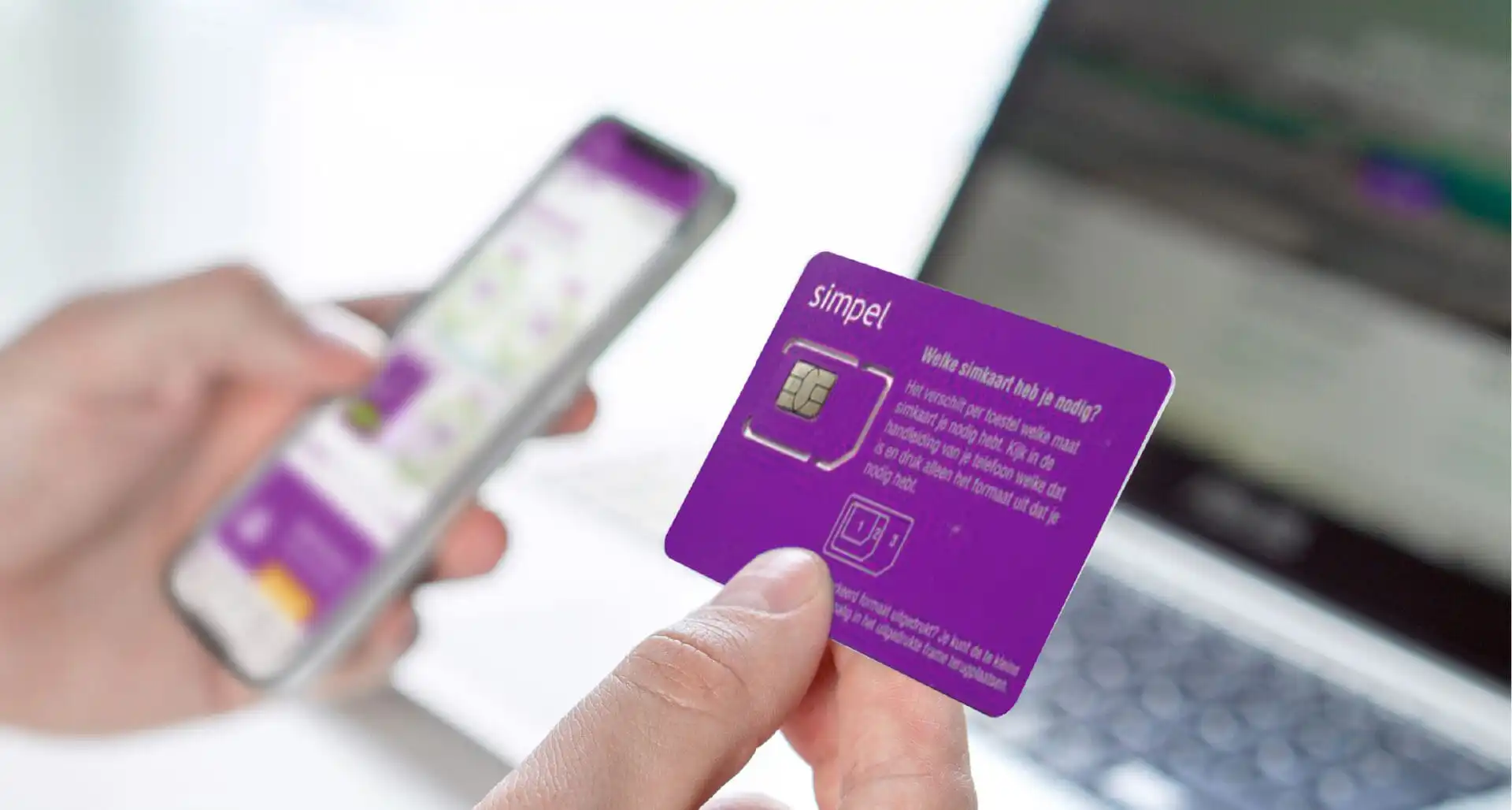
A multi-IMSI eSIM allows a single SIM to store multiple operator profiles and switch between them automatically. This ensures better coverage, reduces roaming costs, and improves reliability by connecting to local networks in different countries.
How does KORE ensure reliable IoT connectivity?
KORE ensures reliability through multi-carrier partnerships, automatic network failover, and access to multiple connectivity technologies. This approach minimizes downtime and supports mission-critical applications across industries.
What is global-local IoT connectivity?
Global-local connectivity combines global roaming capabilities with local network access in specific regions. This approach improves performance, reduces latency, and helps meet regulatory requirements compared to relying on roaming alone.
How does satellite IoT connectivity complement cellular networks?
Satellite connectivity extends coverage to areas where terrestrial networks are unavailable, such as remote or rural locations. It can also act as a backup layer to ensure continuous connectivity for critical operations.
What is IoT connectivity management?
IoT connectivity management refers to the tools and platforms used to provision, monitor, and control connected devices. This includes SIM management, data usage tracking, analytics, and network control across multiple carriers.
How does KORE simplify IoT connectivity management?
KORE provides a unified platform that centralizes provisioning, activation, monitoring, and analytics across multiple networks. This reduces complexity and gives businesses full visibility and control over their IoT deployments.
How secure is global IoT connectivity?
Global IoT connectivity can be secured through encrypted data transmission, private network infrastructure, and policy controls. KORE aligns with industry and regulatory standards such as GDPR and HIPAA to help protect sensitive data.
What industries benefit most from global IoT connectivity?
Industries that benefit include:
- Healthcare (remote monitoring, connected devices)
- Transportation and logistics (fleet tracking, telematics)
- Smart cities (infrastructure, utilities)
- Manufacturing (industrial IoT)
- Agriculture (precision farming)
Can IoT connectivity be customized for different regions?
Yes, IoT connectivity can be tailored by combining local carrier agreements, global roaming, and different network technologies to meet regional performance, cost, and regulatory requirements.
What is managed vs self-service IoT connectivity?
Managed IoT connectivity includes expert support, deployment assistance, and ongoing optimization. Self-service connectivity allows teams to manage devices and networks directly through APIs and platforms, offering more control and flexibility.
Why choose a unified IoT connectivity provider?
A unified provider simplifies vendor management, reduces integration complexity, and ensures consistent performance across regions and technologies. It also enables faster deployment and easier scaling of IoT solutions.